What changed in 1910
The word chauffeur entered English from French at the turn of the twentieth century, literally translating as 'stoker'. The attendant responsible for keeping the flame alive on early steam-powered automobiles. When electric ignition replaced the steam boiler, the role of stoker disappeared but the attendant did not. The person who had kept the vehicle running was repurposed to keep the experience of being driven running: opening doors, managing luggage, routing the itinerary, and maintaining the vehicle's presentation.
A driver, by contrast, is a transportation worker. The job description is narrow: operate the vehicle, arrive at the destination, collect the fare. This is not a criticism. Commercial drivers do skilled, essential work. It is simply a different job.
Seven differences, in practice
- Presentation. A chauffeur arrives in a three-piece suit, typically obsidian or charcoal wool. A driver may wear a uniform, but the distinction is formal attire versus utility dress.
- Discretion. A chauffeur does not discuss passengers, destinations, or schedules. An NDA is executed on request as a standard protocol, not an unusual one.
- Itinerary management. A chauffeur holds the day's schedule, anticipates changes, coordinates with venues and planners, and adjusts routing in real time. A driver follows the destination in the app.
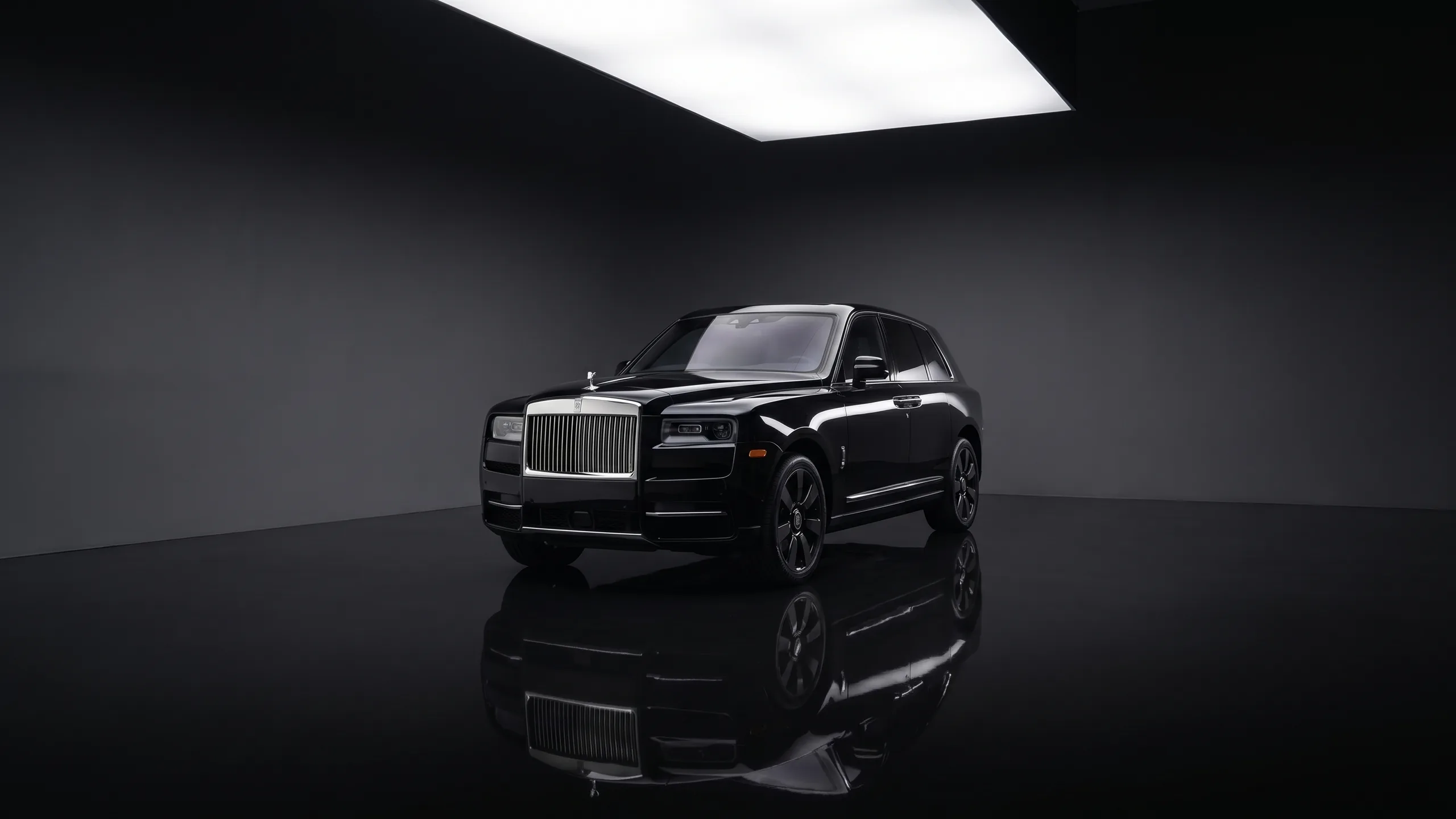
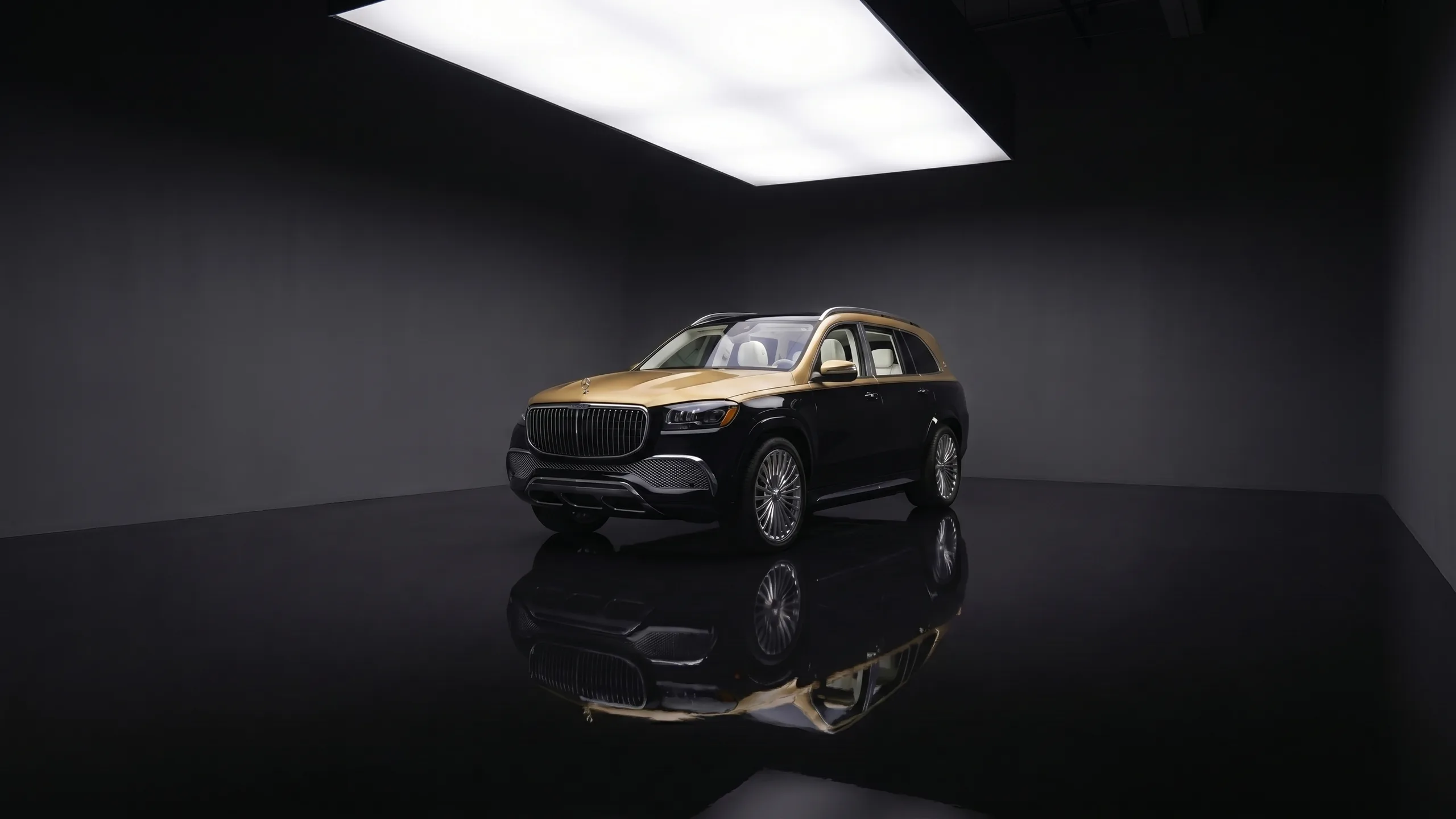
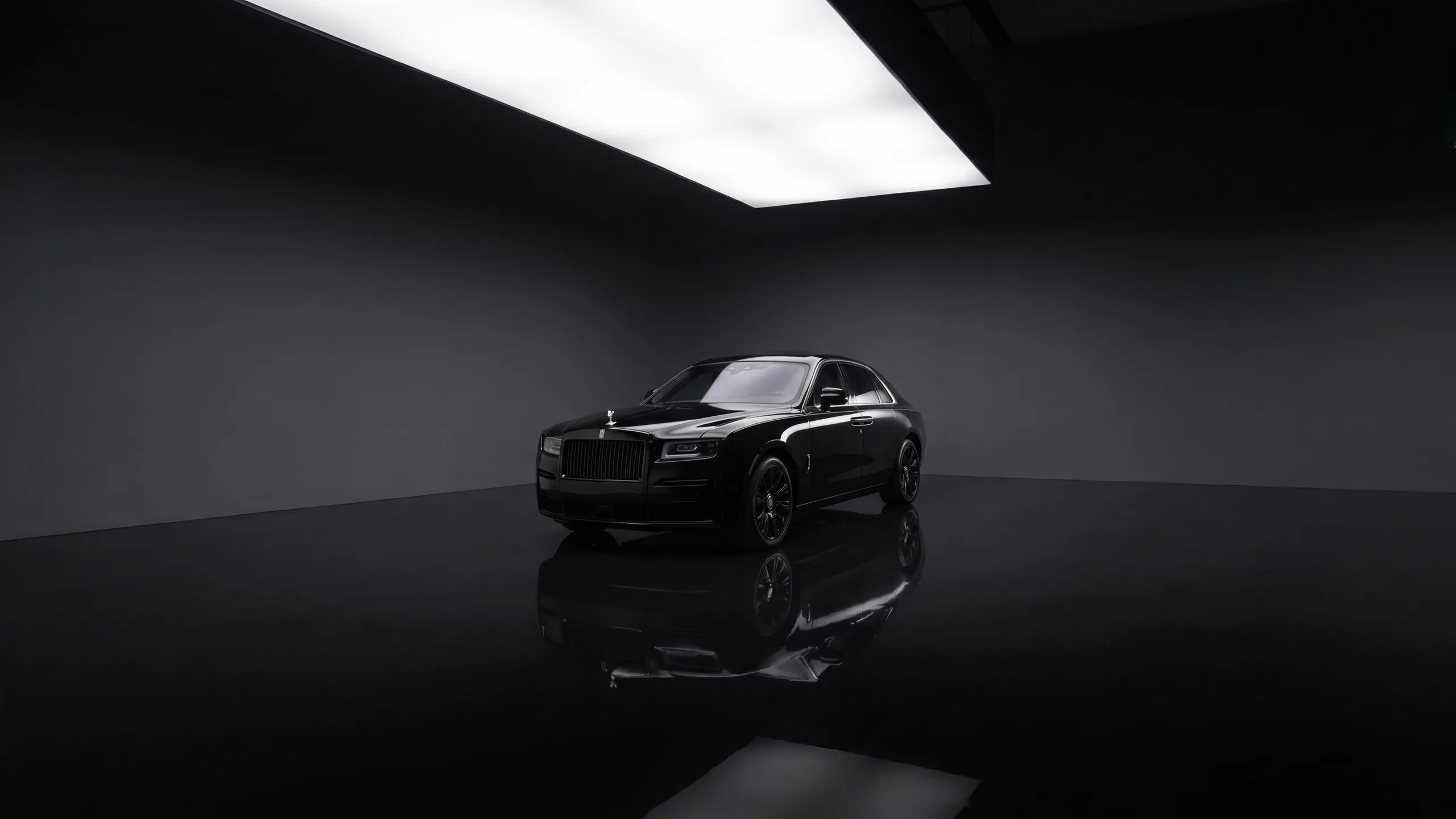
- Vehicle presentation. A chauffeur's vehicle is detailed the morning of each engagement. A driver's vehicle meets the fleet standard, which is usually adequate rather than aesthetic.
- Single-passenger continuity. A chauffeur is assigned to one engagement at a time. A driver rotates between fares, often several within the same hour.
- Luggage and personal-effects handling. A chauffeur manages bags from terminal to residence without prompting. A driver typically does not.
- The end-of-engagement exit. A chauffeur leaves the vehicle, opens the passenger door, and stays at the kerb until the passenger has entered the destination. A driver unlocks the doors and proceeds to the next fare.
“A chauffeur is not a driver in better shoes. It is a different profession that happens to require the same licence.”
What the price difference is actually paying for
A chauffeured engagement costs more than a ride-share transfer for reasons that are concrete, not notional. The chauffeur is paid for the full window of the engagement, not per mile. The vehicle is held exclusively for one client and does not rotate. Training, background checks, and NDA readiness are carried by the employer, not expensed per trip. The vehicle fleet carries acquisition and maintenance costs orders of magnitude above a ride-share driver's personal vehicle. And the service standard is held to a level that cannot be delivered by a platform that rates drivers on five-star averages.
When each is appropriate
A driver is the right choice for most transportation needs. A ride-share is appropriate for a Tuesday commute, an airport run with casual luggage, or a late-night return from dinner. A chauffeur is appropriate when the engagement is itself part of the experience: a client arriving for a meeting where presentation is part of the outcome, a wedding where the arrival is photographed, a diplomatic transfer where discretion is a contractual requirement, or a multi-day itinerary that benefits from single-driver continuity.
The decision is not about status. It is about fit. Seven Star exists specifically for the engagements where the ride is not the point. The arrival, the day, or the impression is.