The route in four parts
Highway 99 between Horseshoe Bay and Whistler is 120 kilometres of engineering precision laid along a coast that refuses to cooperate. It begins tamely. Four lanes along the Howe Sound waterline, sailboats visible to the west, then narrows, climbs, and cuts inland at Squamish before threading through the Tantalus Range to Whistler Village. Each section has its own timing and its own reward.
Lions Gate to Horseshoe Bay. Thirty minutes
From downtown Vancouver, the drive starts over the Lions Gate Bridge through Stanley Park. West Vancouver passes in a blur of cedar-shake roofs and stone walls. Horseshoe Bay, twenty kilometres in, is where the character of the drive changes, and where timing becomes critical. The BC Ferries terminal here discharges its Nanaimo and Langdale traffic in waves; a Saturday 10:25 arrival empties onto Highway 99 northbound, with predictable consequences for the next twenty minutes.
Horseshoe Bay to Squamish. Fifty minutes
This is the stretch photographers come for. The road rides a ledge above the Howe Sound, with the water often fifteen metres below. Shannon Falls. A 335-metre cascade visible from a provincial-park pullout. Sits roughly halfway. A fifteen-minute stop with the Tahoe in the car park and a walk to the viewing platform is the single most photographed stopover on the route.
Squamish to Whistler. Forty-five minutes
The highway climbs in earnest here. Brandywine Falls is signed at the roadside and deserves the ten-minute detour. The Tantalus Lookout, just north, is where the drive earns its reputation. A panoramic view across the range that photographs as well in March snow as in August heat.
Whistler Village arrival
Whistler has three common drop-off nodes: the Fairmont Chateau Whistler at Blackcomb Base, the Four Seasons at Village North, and the Village proper. Private residences in Kadenwood or Stonebridge are a further ten to fifteen minutes from the village. Your chauffeur will confirm the final address for any luggage handling preferences before arrival.
“The correct way to arrive in Whistler is quietly, and with the light still on the Tantalus.”
Winter vs summer, what changes
In winter, the Sea-to-Sky is a maintained highway but still a mountain road. Seven Star fits winter tires on all fleet vehicles from November through April, regardless of legal minimums. Ski equipment is handled in the rear with a protective cover; the Tahoe's rear cargo accommodates six pairs of skis with poles without intruding on passenger space.
In summer, the road is faster but more crowded. The Shannon Falls car park fills by noon; earlier stops are more photograph-friendly. The Brandywine Falls parking area handles overflow from the main lot into a secondary trailhead that is rarely marked.
Vehicle selection for the Sea-to-Sky
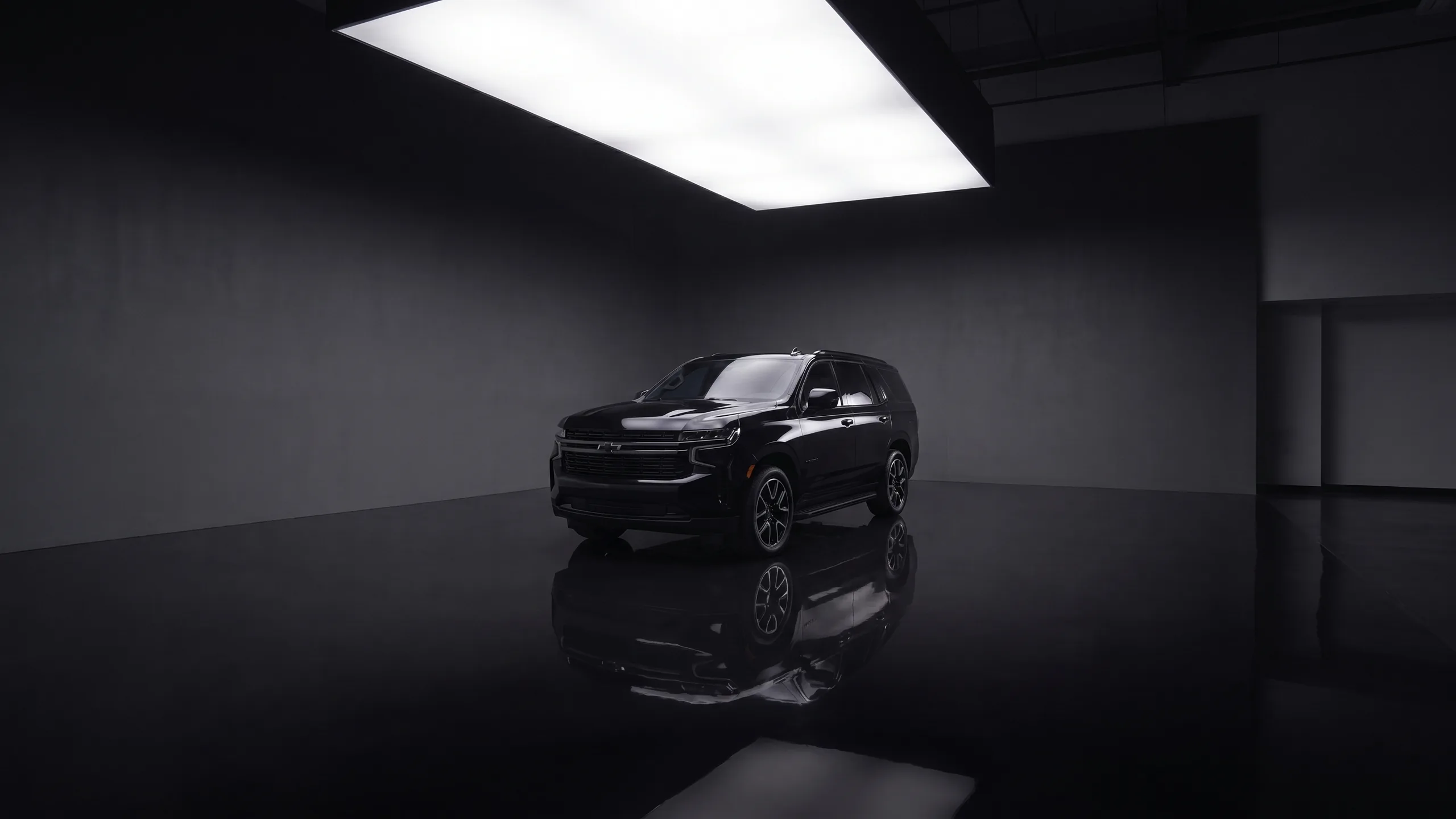
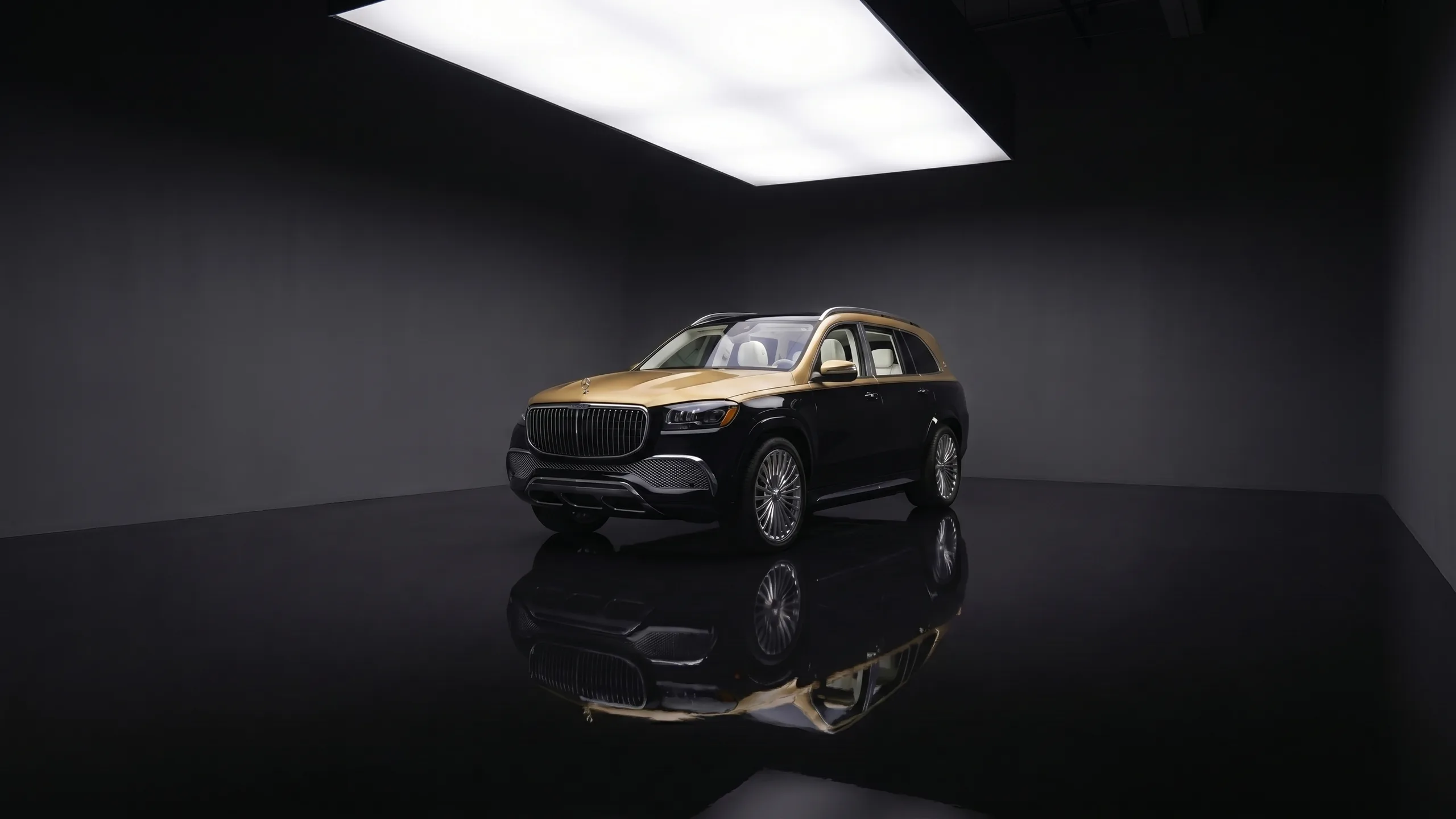
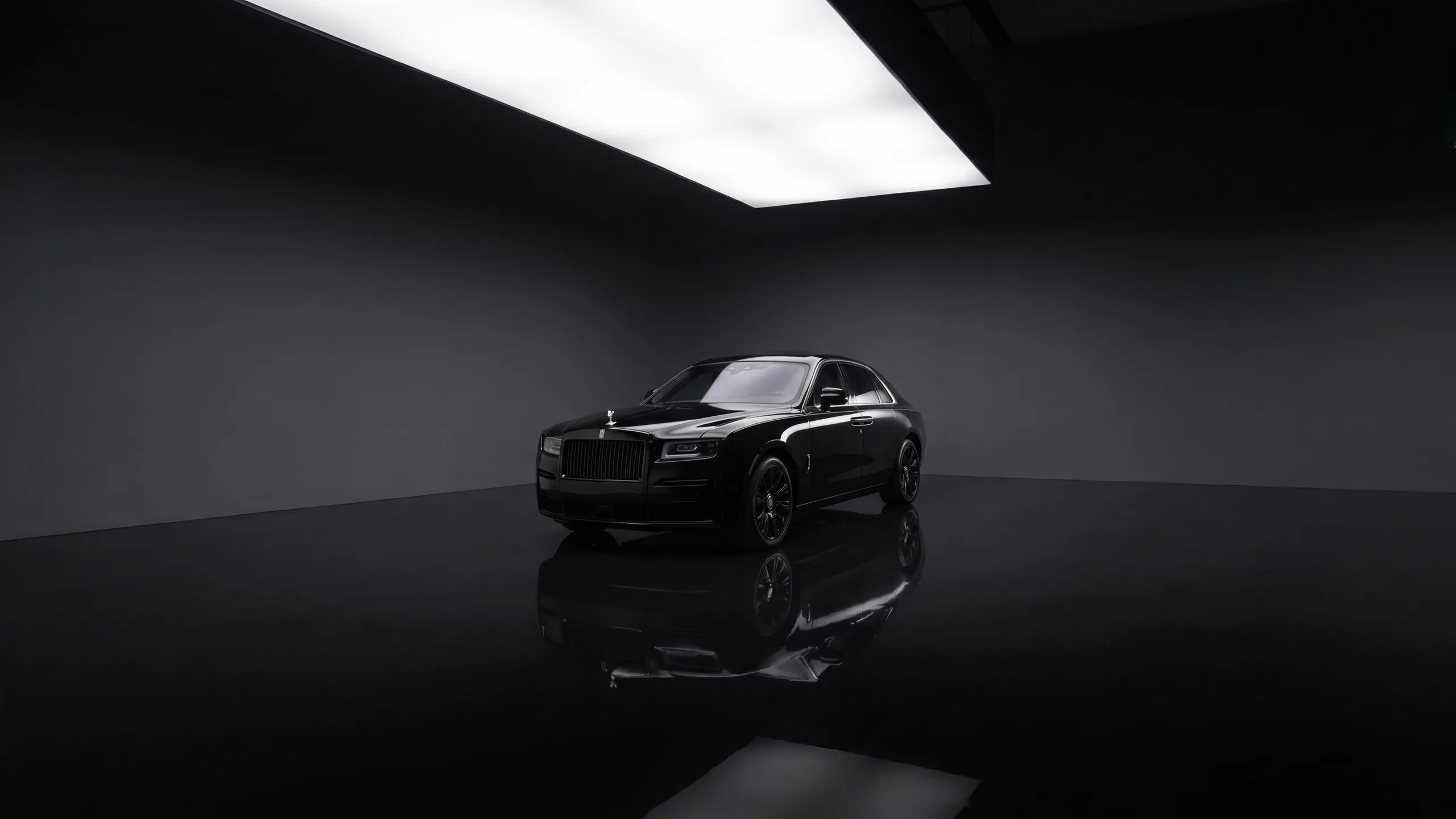
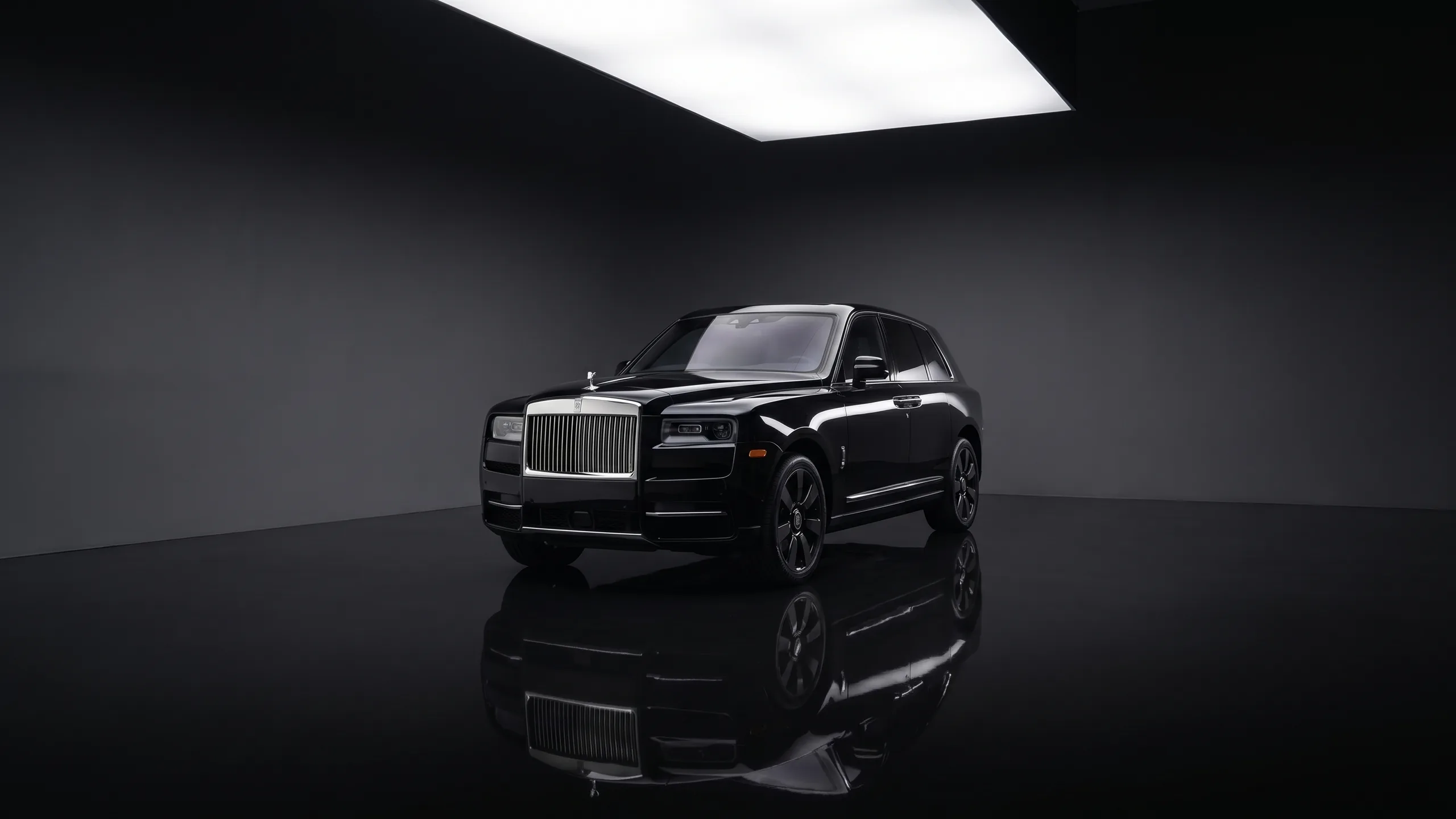
The Chevrolet Tahoe is Seven Star's primary Sea-to-Sky vehicle for three reasons: its full-size capacity carries the group and their gear, its four-wheel drive makes the highway's grades and weather effortless, and its composed, low-key presence lets the landscape carry the experience. For wedding parties travelling to Whistler venues, the Rolls-Royce Cullinan runs the route with equal ease. For a group of up to six adults in maximum comfort, the Mercedes-Maybach GLS 600 is the alternative.